Disclosure: As an Amazon Associate, I earn from qualifying purchases. Learn more
Last Updated on November 28, 2025 by Rhyes Frank
It becomes easier to choose the best competition BBQ smokers once you focus on steady heat, clean airflow, and consistent smoke flavor. Teams often lean toward large offsets or high-capacity pellet models because they handle long sessions with balanced results. A strong unit supports ribs, brisket, chicken, and mixed grill recipes without dropping temperature during busy rounds. Many cooks appreciate models that simplify fuel control and maintain even heat across the chamber. These smokers help create reliable bark, moisture retention, and repeatable performance during competition smoking. The right setup brings dependable results for both small practice runs and full event days.
Through intensive testing and user experience, we found some of the best competition BBQ smokers are listed below
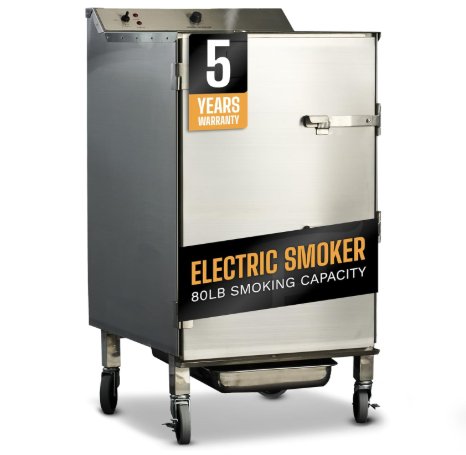
SmokinTex The XL – Heavy-Duty Electric Smoker for Large Loads
Capacity: up to 80 lbs (or dozens of ribs/8 briskets)
Special Feature: dual heating elements and stainless steel construction
Key Features
- stainless steel cabinet for long-term durability
- dual 700W heating elements for stable heat
- up to 80 lb capacity
- dishwasher-safe racks and drip pan
- optional cold-smoke plate for cheese or salmon
- locking wheels for easy portability
- plug-and-go electric plug-in setup
Specialty
- ideal for big batches and multi-category cooks
- consistent low-and-slow heat for tender results
- broad versatility: meat, fish, even veggies
- easy cleanup and long lifespan
Why Perfect
User feedback highlights this smoker’s huge capacity and reliable performance. Many praise how it handles multiple racks of ribs or large briskets with no fuss and delivers moist, evenly smoked meat every time.
Compatible For
- large family cookouts or catering
- brisket, ribs, whole chickens and turkeys
- jerky, seafood, vegetables, cheese smoking
Reviews
This unit stands out for handling volume and delivering consistent results — a smart pick for anyone serious about competition-style BBQ.
Special Note: Requires steady electricity and enough outdoor space; large size might be overkill for small households
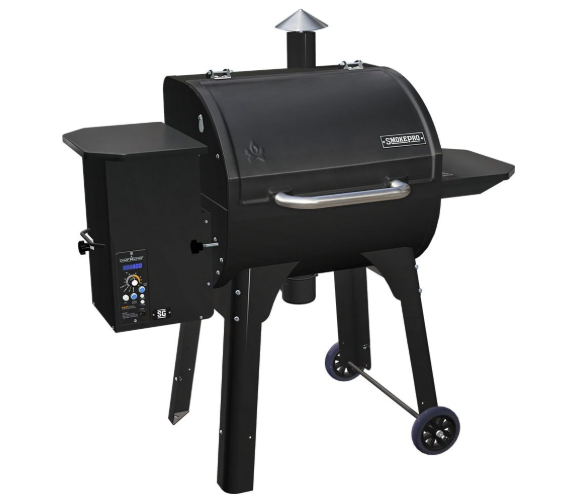
Camp Chef SmokePro SG 24 Pellet Smoker – Balanced Performance and Ease
Capacity: ~811 square inches cooking surface
Special Feature: automatic pellet auger with Smart Smoke temperature control
Key Features
- pellet hopper supports long cooking sessions
- temperature range from ~160°F (smoking) up to ~500°F (searing)
- digital temperature display with included meat probe
- Slide-and-Grill technology for direct or indirect cooking
- good-sized warming rack above primary cooking area
- ash cleanup system and easy maintenance
- versatile for smoking or high-heat grilling
Specialty
- easy to use even for less experienced cooks
- great for mixed cooking styles (smoke + sear)
- flexible temperature range for ribs, brisket, steaks
- reasonable footprint suits home patios
- automatic pellet feeding reduces constant monitoring
Why Perfect
Owners often mention how this smoker balances convenience and versatility. It’s easy to start, handles different cuts well, and the pellet system keeps temperature consistent even during longer smokes.
Compatible For
- ribs, chicken, pork shoulder, steak grilling
- mixed cooking — smoke then sear
- weekend family BBQs or small-scale catering
Reviews
This pellet smoker appeals to those who want reliable performance without the complexity of traditional offset rigs — good for competition-style results without heavy maintenance.
Special Note: Some users report occasional temperature spikes or component wear with heavy use
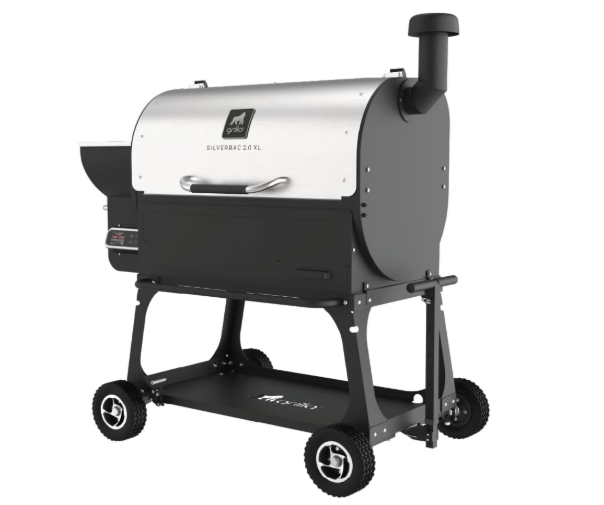
GRILLA Silverbac 2.0 XL Pellet Grill – Massive Capacity Meets All-Season Durability
Capacity: 1600 square inches across three sliding grate levels
Special Feature: double-wall insulation plus efficient hopper for 24-hour smokes
Key Features
- large 1600 sq. in cooking area with 3 grate levels
- double-wall insulated body for stable performance in all weather
- 33 lb pellet hopper for long smokes without refilling
- Alpha Connect controller with PID or Pro Smoke modes
- efficient grease management and built-in cleanup system
- sturdy build with stainless steel where it matters
- space-saving barrel design plus large capacity
Specialty
- excellent for large gatherings or catering batches
- long unattended smokes possible thanks to big hopper
- consistent heat and smoke over long sessions
- capable of holding many large cuts at once
- reliable in different climates, seasons
Why Perfect
Real-world reviews praise this grill for its enormous cooking area and ability to maintain stable temps even during marathon smokes. It’s built tough, runs clean, and handles big loads — ideal for serious competition-level cooking.
Compatible For
- multiple briskets, pork butts, ribs at once
- large backyard or catering events
- slow-smoked meats, poultry, or mixed BBQ sessions
Reviews
This model combines huge volume with temperature reliability, making it a strong pick for those planning heavy-duty smoking sessions or event-level BBQ cooking.
Special Note: Large size and pellet consumption require planning; may be overkill for occasional use
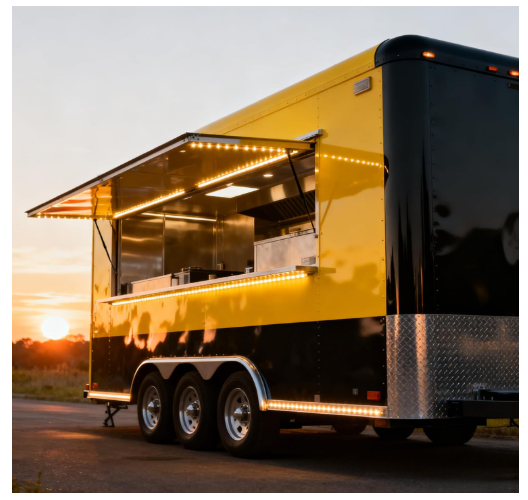
Food Truck or Trailer-Style Built-in Smoker & Grill Setup – For Serious BBQ Events
Capacity: variable (built-in trailer or cart setup)
Special Feature: ergonomic U-shaped grill layout for competition cooking
Key Features
- heavy-duty build for commercial or event-scale cooking
- ergonomic layout supports multi-task cooking and serving
- large capacity suitable for catering or competition
- combined smoker and grill functionality
- mobility suited for travel, tailgates, or pop-up events
- robust materials designed for frequent use
- practical for high volume cooking and large portions
Specialty
- designed for caterers or teams serving many plates
- ideal for multi-item cooking simultaneously
- portability suits outdoor events or contests
- accommodates both smoking and grilling in one rig
Why Perfect
Feedback from users in mobile catering or competition circuits often praises the flexibility and capacity of trailer-style smokers. They make hauling, cooking, and serving large BBQ loads much easier under busy conditions.
Compatible For
- BBQ contests, tailgates, food truck use
- grilling and smoking multiple meats at once
- catering, events, large gatherings
Reviews
This smoker-grill combo gives the power and space needed for competitive cooking or heavy-duty catering; well-suited for those serious about volume and variety.
Special Note: Requires significant outdoor or parking space; heavier to transport than home units
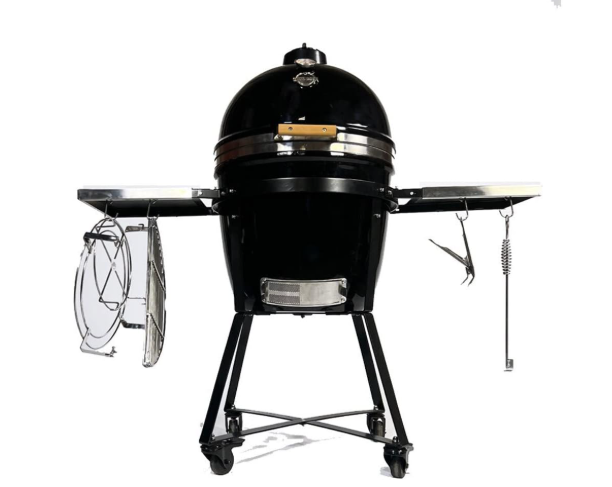
Infinity X2 Kamado Large Black Smoker/Grill – High Heat & Classic Kamado Style
Capacity: large kamado-style grill/smoker (suitable for whole turkeys, brisket, etc.)
Special Feature: ceramic/insulated kamado design for efficient heat retention and versatile grilling
Key Features
- insulated kamado design for consistent heat retention
- suitable for both low-and-slow smoking and high-heat grilling
- compact footprint compared to bulkier smokers
- excellent heat efficiency reduces fuel use
- good for mixed cooking styles: smoke, roast, grill
- adaptable to different fuels (charcoal, wood, etc.)
- retains moisture for juicy meat with smoky crust
Specialty
- versatile for smoking brisket or searing steaks
- efficient fuel usage and heat retention
- no electricity needed, fully charcoal/wood-based
- suitable for smaller gatherings while still competitive
Why Perfect
Many Kamado fans highlight its ability to get strong bark on brisket and crisp skin on chicken, all while keeping meat tender and moist — a balance that often wins points in BBQ judging.
Compatible For
- whole chickens, ribs, brisket, steaks
- mixed cooking — smoke then sear
- backyard grilling, small party BBQs
Reviews
This kamado grill-smoker balances traditional flavor with flexibility. Great for those who want that charcoal-smoke character and don’t need massive capacity.
Special Note: Requires manual fuel control and more hands-on tending; less capacity than full-sized competition smokers
Choosing the Best Competition BBQ Smokers for Serious Pitmasters
Crafting an incredible spread at a high–stakes event takes more than raw talent. A pitmaster needs serious heat control, a firebox that responds quickly, and a chamber that delivers steady performance hour after hour. A strong contender often leans on thick steel, smart airflow paths, and grates that maintain even surface temperatures. A seasoned cook quickly senses how valuable dependable gear becomes once the crowd gathers and timing starts feeling tight.
Many pitmasters talk about the trust factor. A sturdy smoker that behaves consistently removes a huge chunk of stress. Instead of worrying about wild temperature spikes, you get to focus on bark formation, smoke flavor balance, and meat tenderness. That calm confidence usually separates average results from winning plates.
A well-chosen smoker also offers enough room for ribs, brisket, poultry, and specialty cuts without awkward stacking. Plenty of teams prefer oversized offsets because they provide a bit of breathing space for creativity. More room means more experiments, and more experiments often produce that unique signature style judges remember.
Well, picking the right setup does feel a bit like selecting a trusted teammate. Once you own one that suits your pace and goals, the entire cooking rhythm becomes smoother, clearer, and far more enjoyable.
Key Features That Set High-Performance Competition Smokers Apart
Strong frames and thick steel walls usually come up first. Heavy metal absorbs heat more steadily, creating a predictable cook without frantic vent adjustments. Many elite rigs also include carefully shaped chambers that keep smoke flowing in a smooth path rather than swirling in pockets. This reduces bitter patches and enhances the deep, clean finish teams chase.
Heat retention
Grills built with heavier gauges keep temperatures steady for long stretches. This reduces fuel use and keeps briskets and pork shoulders relaxed through long cooks.
Airflow design
A good smoker shapes its airflow like a gentle river, guiding smoke evenly over the meat. This avoids harsh areas and ensures uniform texture across racks.
Firebox efficiency
A responsive firebox reacts quickly to new wood splits. A clean-burning fire is vital for competition success, so a smoker that helps maintain bright, thin smoke puts cooks in a stronger position.
Mobility and layout
Some teams travel every weekend. A smoker with sturdy wheels, balanced weight distribution, and reliable welds makes life easier. Long highways and bumpy fairgrounds can challenge weaker builds.
The best rigs blend durability, consistency, and fuel efficiency, forming a cooking tool that stands strong in crowded events full of seasoned competitors.
How to Use a Competition Smoker for Consistent Championship Results
- Start by warming the chamber slowly. A gentle rise helps the metal settle into a stable cooking zone without overshooting.
- Feed the fire with clean wood splits. Dry hardwood produces smoother smoke and steadier temperatures.
- Position meat with space around each piece. This allows clean airflow and prevents hot pockets.
- Adjust vents in small movements. Sudden changes create temperature swings that disrupt bark development.
- Mop or spritz thoughtfully. Moisture helps form a beautiful crust, yet too much can wash away rubs.
- Rotate cuts only when needed. Allow the smoker to perform its natural convection work.
- Wrap bulky meats once the bark sets. This protects tenderness during the later stages.
- Rest everything properly. A long rest lets juices settle and enhances the final bite.
Small steps repeated with patience often lead to championship-level plates. The rhythm of tending fire, listening to the crackle, and sensing heat through the metal builds a connection between pitmaster and smoker. Consistency slowly forms, turning long hours into polished results that win crowds and judges.
Versatile Uses Beyond Competitions: Everyday Cooking Possibilities
Plenty of owners enjoy using these sturdy rigs long after trophies are stored away. A competition smoker transforms regular weekends into comfortable gatherings. Families appreciate slow-roasted ribs, juicy chicken legs, or even smoked vegetables that take on rich character after a relaxed afternoon cook.
Some cooks like using the firebox as a mini grill for quick meals. A couple of steaks or skewers come out beautifully thanks to the direct heat and natural wood flavor. The flexibility almost feels like having two tools in one.
Outdoor fans also use these smokers for nontraditional meals. Smoked mac, stuffed peppers, seafood, and even baked desserts gain unique texture inside a well-heated chamber. Friends often get surprised at how many recipes feel possible beyond the usual brisket and pork.
A competition-level machine creates an inviting atmosphere that draws people together. The slow pace encourages conversation and teaches newcomers the rhythm of live-fire cooking. Over time the smoker becomes part of household routines, turning casual evenings into memorable meals powered by steady heat, clean smoke, and a bit of patience.
Top Recipes That Shine on Competition-Grade Smokers
• Brisket point and flat seasoned with coarse rub for deep bark
• St. Louis spare ribs spritzed lightly for balanced tenderness
• Chicken thighs cooked hot for snappy skin and juicy centers
• Turkey breast smoked with subtle fruitwood for a clean finish
• Smoked sausage links that soak in steady heat for a firm snap
• Pork shoulder wrapped late to balance moisture and texture
Each of these dishes thrives in the predictable chamber environment offered by a competition smoker. The even heating helps develop color, moisture retention, and balanced flavor without overpowering the natural character of the meat. Teams often rely on these staples to appeal to judges because they showcase technique, patience, and mastery over long cooks.
Cleaning and Maintenance Guide for Long-Lasting Performance
- Let the smoker cool before clearing the firebox. Brush out ash since leftover debris restricts airflow on future cooks.
- Wipe down grates with a sturdy brush. A light coat of oil protects metal and prevents rust.
- Check the smoke chamber for buildup. Thick residue interrupts clean smoke flow, so keep it in check.
- Inspect gaskets and hinges. Tight seals keep heat stable and reduce fuel waste.
- Wash exterior surfaces gently. Keeping the outside clean helps identify early wear.
Quick tips
• Keep a dedicated tool set for maintenance tasks
• Use high-heat oil for grate protection
• Track any small leaks or drafts and fix them early
A smoker treated with steady care lasts for years. Those simple habits preserve performance and keep the flavor profile smooth and dependable during competitions.
Comparison Chart: Leading Competition Smokers Side by Side
| Model | Steel Thickness | Chamber Size | Mobility | Fuel Use Level |
|---|---|---|---|---|
| Offset A | Heavy grade | Large | Strong wheels | Low |
| Drum B | Medium | Moderate | Portable | Medium |
| Cabinet C | Thick insulated | Tall vertical | Stationary | Low |
| Offset D | Extra heavy | Extra large | Trailer mounted | Low |
| Hybrid E | Mixed | Wide | Moderate | Medium |
Common Mistakes to Avoid With Advanced BBQ Smokers
• Relying on too much wood and creating harsh smoke
• Leaving meat packed tightly in the chamber
• Adjusting vents aggressively instead of calm micro-movements
• Ignoring grate hot spots and failing to rotate cuts
• Applying thick sauces too early in the cook
• Letting lids stay open longer than needed
• Skipping rest times, causing moisture loss
These small oversights often disrupt an otherwise smooth session. Paying attention to simple details keeps flavors balanced and protects the natural texture of every cut.
Pro Tips for Mastering Temperature Control and Smoke Management
• Use wood splits that match the chamber size for clean combustion
• Keep the firebox door slightly cracked during startup for a brighter flame
• Track temperature swings with a quality probe placed near grate level
• Add splits before the fire dips too low to avoid thick smoke
• Position water pans strategically to steady the heat line
• Rotate meats mildly to counter subtle hot zones
• Keep airflow steady since erratic adjustments cause uneven bites
Strong temperature control forms the backbone of competition-worthy barbecue. A smooth fire produces thin blue smoke, helps the bark set properly, and creates flavors that feel balanced without overpowering the natural juices.
Value Breakdown: Price, Build Quality, and Performance Factors
Comparing smokers involves more than glancing at the initial cost. A higher price often reflects thicker steel, high-grade welds, and insulation that boosts efficiency. Strong builds lose less heat, stretch fuel longer, and produce steady results for years.
Performance also ties to size. A roomier chamber lets pitmasters cook multiple categories at once, reducing time stress in events. Smaller smokers bring lower costs but might limit creativity during busy schedules.
Some cooks choose models with trailer frames for easier travel, while others prefer backyard setups. Each pick depends on lifestyle, event frequency, and cooking goals. A well-constructed smoker often becomes a long-term investment that pays itself back through durability, reliability, and consistent performance.
FAQ
Why do some teams prefer oversized models for competition events
Larger smokers create breathing room inside the chamber that helps manage temperature swings while supporting multiple meats at once. A team juggling briskets, ribs, chicken, and specialty entries gains flexibility from extra rack space. That space reduces crowding, letting smoke move freely across each cut. Bigger rigs also store more heat, meaning fuel lasts longer and cooks stay calmer during long sessions. Many teams say the relaxed pacing alone makes a larger model worth carrying from event to event.
How does fuel choice affect performance in high-stakes events
Hardwood selection shapes the flavor, heat profile, and overall consistency a pitmaster experiences. Woods like oak and hickory burn steadily and provide a balanced base heat, while fruitwoods lay down a milder finish. Moisture content matters too, as damp wood produces heavy white smoke that ruins texture. Using seasoned fuel keeps the fire bright and helps maintain clean combustion, which ultimately supports smoother cooking lines during intense competitions.
Why do insulated smokers appeal to traveling teams
Insulated builds maintain heat more efficiently across long cooks, cutting fuel consumption noticeably. Teams that travel between states appreciate rigs that respond well to unpredictable weather shifts. An insulated setup also warms quickly and settles into consistent temperatures with less fuss. This saves time in busy events and reduces stress for pitmasters managing multiple meats. The reduced workload on the firebox often translates to steadier results and a calmer cooking rhythm.
What makes airflow design so influential in the overall outcome
Smooth airflow guides heat and smoke evenly through the chamber, preventing harsh flavor pockets or underdeveloped bark. A balanced flow keeps all racks cooking at a similar pace, which matters deeply during timed events. Good airflow reduces bitter notes, avoids stale smoke accumulation, and helps moisture stay locked inside the meat. Pitmasters appreciate rigs that encourage a gentle, consistent draft because it simplifies adjustments and protects the final taste of each cut.
Why does grate arrangement matter for competition-level smoking
Grate layout determines how much usable surface you actually get. A smart design offers space for ribs, briskets, and chicken without awkward stacking. Even spacing supports better heat distribution, which directly affects tenderness, color, and texture. Comfortable access also shortens the time lids stay open, preserving stable heat lines. Teams often credit well-designed grates for faster transitions, smoother spritzing, and a more organized workflow during long sessions.
- Read More: 6 Best BBQ Charcoal Grills