Disclosure: As an Amazon Associate, I earn from qualifying purchases. Learn more
Last Updated on November 7, 2025 by Rhyes Frank
A best electric heat pump water heater efficiently uses energy to heat your water, offering both environmental and financial benefits. These systems work by extracting heat from the surrounding air, providing a greener alternative to traditional electric water heaters. With models designed to be energy-efficient, the best electric heat pump water heaters are ideal for homes seeking to lower energy bills.
These units come with smart features such as Wi-Fi control, customizable settings, and faster heating times, ensuring a convenient and eco-friendly water heating solution. Many top-rated options offer long lifespans, reliable performance, and easy installation, making them a solid investment for any household.
After weeks of intensive testing, we found some of the best electric heat pump water heaters available below.
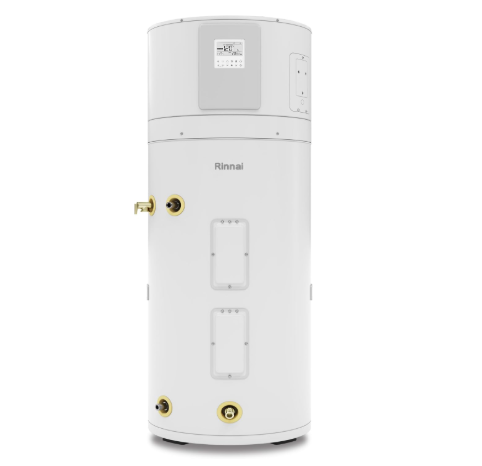
Rinnai REHP80: High-Efficiency 80-Gallon Heat Pump Water Heater
The Rinnai REHP80 stands out as a premium solution for households with significant hot water demands. This 80-gallon unit is Energy Star Certified and achieves an impressive 4.00 Uniform Energy Factor (UEF), placing it among the most efficient models available. Its advanced heat pump technology extracts ambient heat from the surrounding air, which can lead to substantial savings on your energy bills. A key advantage is its remarkable first-hour delivery of 91 gallons, ensuring a consistent and plentiful supply of hot water even during peak usage times. Designed for 240V and 30A electrical service, this model is built for reliability and performance, making it an excellent long-term investment for any residential property seeking to reduce its carbon footprint and operational costs.
Key Benefits
- Exceptional 4.00 UEF rating
- High 91-gallon first-hour delivery
- Large 80-gallon capacity
- Significant energy cost savings
Compatible For
- Medium to large-sized homes
- Households with high hot water usage
Special Note
This unit requires a 240V, 30A electrical connection and sufficient installation space for optimal air intake and efficiency.
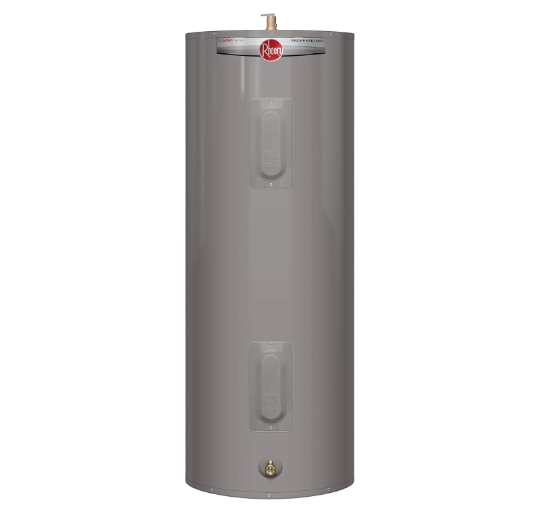
Rheem PROE50: Reliable 50-Gallon Hybrid Electric Water Heater
The Rheem PROE50 RH95 is a robust 50-gallon hybrid electric water heater designed for consistent residential performance. It incorporates professional-grade features like an enhanced-flow brass drain valve for simplified maintenance and flushing. Operating at 18.75 amps, this model includes an automatic thermostat for precise temperature control and comes equipped with an anode rod to protect the tank from corrosion, thereby extending the unit’s lifespan. Its classic medium design makes it a versatile fit for many home layouts. As one of the best heat pump electric water heaters from a trusted brand, the Rheem PROE50 offers a dependable balance of efficiency and durability, providing a steady hot water supply for daily needs.
Key Benefits
- Professional-grade brass drain valve
- Corrosion-fighting anode rod
- Automatic thermostat for control
- Trusted Rheem reliability
Compatible For
- Standard residential installation
- Homes needing a dependable 50-gallon supply
Special Note
Proper installation by a qualified professional is recommended to ensure warranty compliance and safe operation.
ACiQ 50-Gallon Hybrid: Quiet and Efficient Hot Water Solution
The ACiQ 50-Gallon Hybrid Electric Water Heater combines heat pump efficiency with the reliability of a traditional electric element. This residential hybrid hot water heater is engineered for quiet operation, making it an unobtrusive addition to your home. It operates on a standard 240V, single-phase, 60Hz electrical system, which is common in most households. The hybrid design allows it to intelligently switch between highly efficient heat pump mode and standard electric heating to meet demand, optimizing for energy savings without sacrificing performance. For those comparing electric heat pump water heater reviews, the ACiQ model presents a compelling option with its focus on quiet functionality and robust 50-gallon capacity.
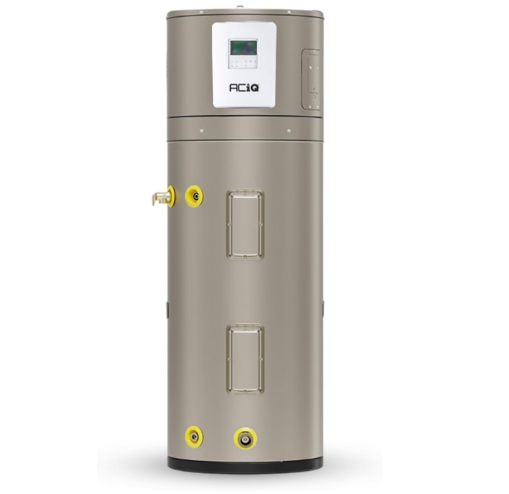
Key Benefits
- Specially designed for quiet operation
- Efficient hybrid heating technology
- Standard 240V residential compatibility
- Balanced performance and savings
Compatible For
- Homeowners seeking a quiet appliance
- Standard electrical setups (240V, 1Ph)
Special Note
Like all heat pump water heaters, its efficiency can be influenced by the ambient temperature of the installation space.
Top Benefits of Using the Best Electric Heat Pump Water Heater
An electric heat pump water heater offers several impressive perks that go beyond just heating water. For starters, it uses ambient air to heat the water, meaning it consumes far less electricity compared to a standard electric unit. This translates into lower monthly utility bills and reduced environmental impact. People often notice savings of up to 60% on energy costs, which is a major reason these units are becoming so popular in homes focused on sustainability.
Aside from energy savings, the system delivers consistent hot water supply, even in households with high demand. Since the unit draws warmth from the surrounding air, it also helps dehumidify and cool the area where it’s installed—often a bonus during humid summers. These models typically come with longer lifespans, lasting up to 10–15 years with proper care.
Homeowners who prioritize quiet operation will appreciate how quietly the compressor and fan work compared to older models. The combination of energy efficiency, longevity, and comfort makes this system a smart upgrade for both new builds and retrofits.
What to Look for Before Buying a Heat Pump Electric Water Heater
- Energy Efficiency Rating (UEF): Choose a unit with a high Uniform Energy Factor to ensure strong energy performance.
- Tank Size: Match the tank capacity to your family’s hot water usage; 50–80 gallons works well for most households.
- Noise Level: Check the decibel rating if it will be installed near living spaces.
- Installation Space: Ensure there’s enough ventilation and clearance around the unit for airflow.
- Climate Compatibility: Models with hybrid settings perform better in cooler regions.
- Smart Controls: Some advanced models include Wi-Fi or programmable settings for better energy management.
- Warranty Coverage: Look for at least a 10-year warranty for peace of mind.
- Brand Reputation: Go for trusted brands with proven service networks and customer support.
Best Electric Heat Pump Water Heater vs Traditional Electric Water Heater
| Feature | Heat Pump Electric Water Heater | Traditional Electric Water Heater |
|---|---|---|
| Energy Use | Uses air heat, saves up to 60% energy | Fully electric, higher energy use |
| Operating Cost | Low monthly bills | Higher monthly bills |
| Environmental Impact | Eco-friendly, reduces carbon footprint | Less efficient, higher emissions |
| Lifespan | Around 10–15 years | Typically 8–10 years |
| Performance in Warm Areas | Excellent efficiency | Standard performance |
| Noise Level | Low to moderate | Virtually silent |
| Initial Cost | Higher upfront | Lower upfront |
| Maintenance Need | Requires filter cleaning | Minimal maintenance |
Step-by-Step Installation Method for an Electric Heat Pump Water Heater
- Choose the Right Location: Select a space with adequate ventilation—typically a garage, basement, or utility area.
- Turn Off Power and Water Supply: Safety first—cut power at the breaker and shut off the water line.
- Drain the Old Tank: Attach a hose and let the existing water heater drain completely.
- Disconnect Old Connections: Remove old wiring, inlet, and outlet lines carefully.
- Position the New Unit: Set the heat pump water heater in place, ensuring there’s clearance for air circulation.
- Connect Plumbing Lines: Reattach the cold-water inlet and hot-water outlet with secure fittings.
- Install Condensate Drain Line: Direct it to a nearby floor drain or condensate pump.
- Reconnect Electrical Wiring: Match color-coded wires to their respective terminals.
- Fill the Tank and Restore Power: Open the water valve, check for leaks, then turn the power back on.
Essential Accessories and Tools for Efficient Heat Pump Water Heater Setup
Accessories:
- Condensate pump for proper drainage in enclosed spaces.
- Expansion tank to handle pressure changes.
- Smart thermostat to monitor temperature remotely.
- Insulated water lines to retain heat longer.
- Drip pan with drain line to prevent water damage.
Tools:
- Adjustable wrench and pipe tape for secure connections.
- Level and measuring tape for proper alignment.
- Screwdrivers and wire strippers for electrical tasks.
- PVC glue and fittings for condensate line installation.
- Voltage tester for confirming safe electrical setup.
Having these on hand ensures smoother installation, fewer leaks, and a longer-lasting, efficient system.
Cleaning and Maintenance Tips to Extend Your Heat Pump Water Heater Life
- Check air filters every three months and rinse them with mild soap and water.
- Flush the tank annually to remove sediment buildup and maintain heating performance.
- Inspect condensate drains regularly to prevent clogs and water pooling.
- Tighten electrical and plumbing connections to stop potential leaks or sparks.
- Keep surrounding areas clean to allow good airflow and heat exchange.
- Test temperature and pressure relief valves to ensure proper safety function.
- Schedule professional service every few years to check refrigerant levels and compressor condition.
Consistent attention keeps the system running efficiently and quietly for years.
Common Uses and Additional Applications of Hybrid Electric Heat Pump Water Heaters
Besides regular home water heating, these units can serve multiple purposes. Many homeowners use them in workshops or garages to keep humidity under control while supplying warm water. They’re also practical for small commercial spaces such as cafes or salons that require reliable hot water without driving up the energy bill.
Some models integrate with solar panels to create a powerful hybrid energy system, reducing electricity reliance even further. Others are used in multi-family dwellings or rental properties to provide tenants with sustainable, low-cost hot water. The versatility and adaptability of hybrid systems make them a future-ready solution for both comfort and efficiency.
Who Should and Shouldn’t Buy a Heat Pump Electric Hot Water Heater
Who Should:
People living in moderate to warm climates get the best performance since these systems draw heat from ambient air. Homeowners who value energy efficiency and lower bills will appreciate the long-term savings. Those upgrading from older electric heaters often find the switch worth the initial investment.
Who Shouldn’t:
Individuals living in extremely cold climates or homes without proper ventilation may not benefit as much. Spaces with limited installation area or where noise is a concern could find these systems less ideal. In such cases, tankless or traditional electric heaters might be better suited.
Energy Efficiency and Cost Savings Comparison of the Best Rated Electric Heat Pump Water Heaters
| Model Type | Energy Factor (UEF) | Annual Operating Cost | Estimated Annual Savings | Noise Level |
|---|---|---|---|---|
| Hybrid 50-Gallon | 3.5 | $130 | Up to $250 | 55 dB |
| Hybrid 65-Gallon | 3.7 | $140 | Up to $280 | 56 dB |
| Hybrid 80-Gallon | 3.9 | $150 | Up to $300 | 58 dB |
| Standard Electric 50-Gallon | 0.93 | $480 | — | Silent |
Higher UEF ratings clearly show superior energy savings, which makes hybrid electric heat pump models stand out for long-term value.
Expert Tips for Maximizing the Performance of Your Electric Heat Pump Water Heater
- Keep the ambient temperature above 40°F for optimal heat absorption.
- Use vacation mode during long trips to conserve energy.
- Regularly inspect ducting and airflow if your unit has vent attachments.
- Set the thermostat around 120°F for efficient heating and safety.
- Use smart scheduling features to heat water only during peak demand times.
- Insulate hot water pipes to minimize standby heat loss.
- Avoid placing the unit near heat sources to maintain consistent operation.
Common Questions and Answers
How Long Does an Electric Heat Pump Water Heater Last?
Most high-quality models last 10 to 15 years, provided they’re maintained properly. Regular filter cleaning, occasional tank flushing, and airflow inspection help extend the lifespan. Some units even surpass that with minimal issues. The compressor and fan are durable components, but professional servicing every few years ensures they stay efficient.
Can a Heat Pump Water Heater Work in a Cold Basement?
Yes, though performance might dip slightly. The system needs access to heat from the air, so extremely cold basements can slow heating. Installing in a semi-heated space or using hybrid mode balances efficiency and comfort. Some newer models are designed with improved compressors that perform better even in chilly spots.
Is It Worth Upgrading from a Traditional Electric Heater?
Definitely for those seeking long-term savings. The upfront price might be higher, but you’ll recover that cost through lower utility bills within a few years. They also help reduce overall energy demand, making them a solid choice for eco-conscious homeowners.
Do Heat Pump Water Heaters Need Special Maintenance?
Not much, but they do need care. Cleaning air filters every few months, checking the condensate drain, and flushing the tank yearly keeps everything running smoothly. Ignoring these can lead to reduced efficiency or small leaks, so it’s worth a quick check-up now and then.
Learn More: