Disclosure: As an Amazon Associate, I earn from qualifying purchases. Learn more
Last Updated on January 7, 2026 by Rhyes Frank
A waste oil heater is a great option for those looking for an eco-friendly way to heat their garage, shop, or even home. These heaters are designed to burn used oil, which means you can save money on heating costs while also reducing your environmental impact.
- Best Choice: Eliminator Shop and Garage Waste Oil Heater
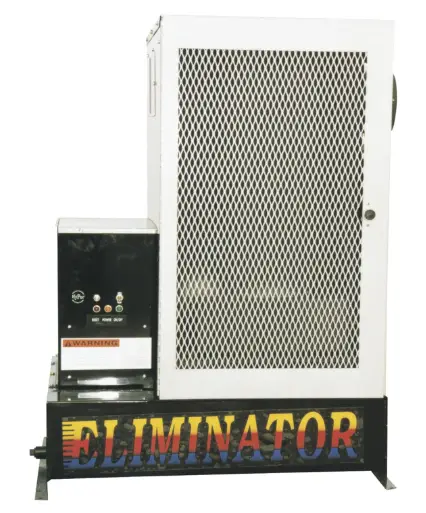
The best waste oil heaters are not only cost-effective but also efficient and reliable. They can burn a wide variety of waste oils, including motor oil, transmission fluid, hydraulic fluid, and vegetable oil. This allows you to dispose of waste oil in a safe and eco-friendly manner, while simultaneously heating your space.
Whether you’re looking for a waste oil heater for your garage, shop, or home, there are many options available to suit your needs.
Read More: Best Torpedo Heaters Review
1. Eliminator Shop & Garage Waste Oil Heater AENH‑001
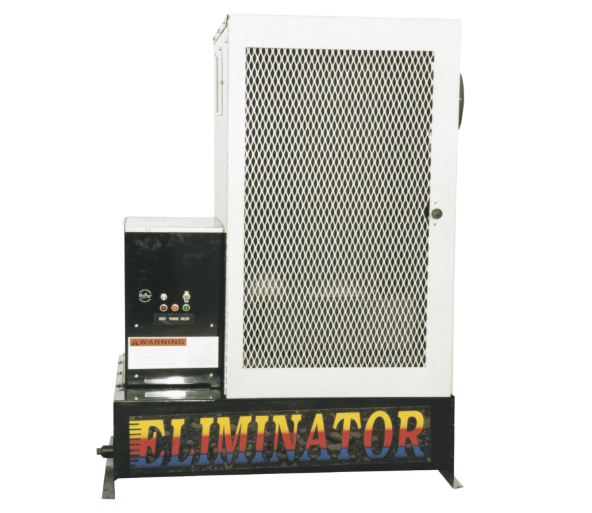
Heat your shop or workspace efficiently while putting used oil to good use with the Eliminator Shop and Garage Waste Oil Heater, Model AENH‑001. Designed as a robust and reliable garage waste oil heater that burns waste oil, new oil, vegetable oil, and transmission fluid, this unit delivers consistent heat for automotive bays, workshops, and commercial spaces. It is engineered with an integrated control box featuring a circuit board and indicator lights for easy operation, and includes a remote thermostat so you can manage temperature more conveniently. EPA approval and rugged construction make it suitable for long‑term use as one of the Best Waste Oil Heaters for shops and garages.
Every heater has to be lit manually, but once operating, the radiant oil burner produces heat that can help maintain a comfortable working environment while recycling used oils you already have on site. Regular maintenance, such as soot and vaporizer cleaning, keeps performance steady and reliable.
Consumer impressions:
Positive customer feedback highlights dependable heating performance and ease of maintenance in busy garage settings, with users appreciating the unit’s ability to recycle waste oil into heat.
Notable function:
Remote thermostat and intuitive control panel for straightforward temperature management.
Primary benefits:
- Burns multiple waste oil types
- Generates steady radiant heat
- Remote thermostat included
- Simple integrated control panel
- EPA‑approved design
Works with:
- Waste motor oil
- Vegetable oil
- New oil
- Transmission fluid
Important notice:
Requires manual lighting before each use and routine cleaning to maintain optimal performance.
2. INTSUPERMAI 220V Waste Oil Burner (Industrial Heater)
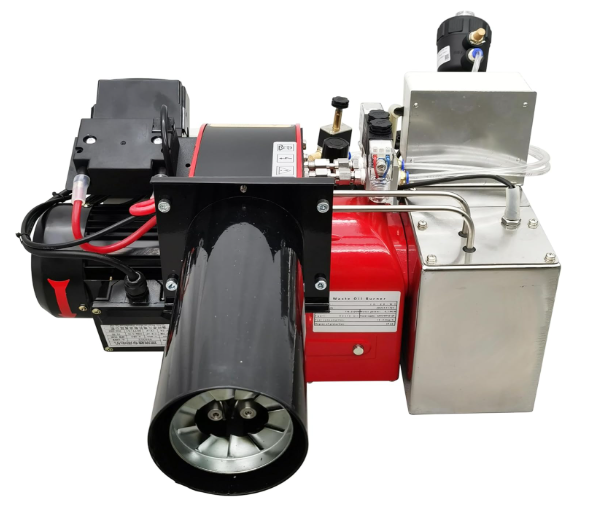
The INTSUPERMAI 220V Waste Oil Burner is engineered for efficient burning of waste oil and other fuels, making it a strong candidate among the Best Waste Oil Heaters for industrial, boiler, and furnace applications. This air atomizing multi‑fuel recycled heater uses a double‑fire design and robust stainless steel construction to atomize fuel for complete combustion, helping deliver reliable thermal energy across varied applications. It supports a wide output power range (approx. 116–232 kW) and operates on standard AC 220 V, with automatic ignition and consistent fuel combustion.
Built with versatility in mind, this waste oil burner heater accepts waste oil and similar heavy oils, offering uniform heating with reduced emissions and fuel use thanks to advanced atomizing technology. The design includes automatic temperature control and safety‑oriented operation for stable, low-failure-rate performance. Its compact footprint and solid construction make it suitable for heating industrial boilers, hot water furnaces, steam systems, and other thermal‑energy equipment.
Consumer impressions:
Users note that atomized combustion improves fuel efficiency and promotes reliable performance across a range of industrial heating setups.
Notable function:
Double-section fire control that enhances combustion efficiency.
Primary benefits:
- Efficient air atomizing flame
- Wide power output range
- Stainless steel build quality
- Automatic ignition system
- Broad industrial compatibility
Works with:
- Waste oil fuels
- Heavy fuel oils
- Industrial boilers
- Furnace heating systems
Important notice:
Requires proper integration with existing boilers or furnaces and compliance with local ventilation and safety standards.
3. WYDDDARY Waste Oil Heater Air Atomizing Heavy Oil Burner
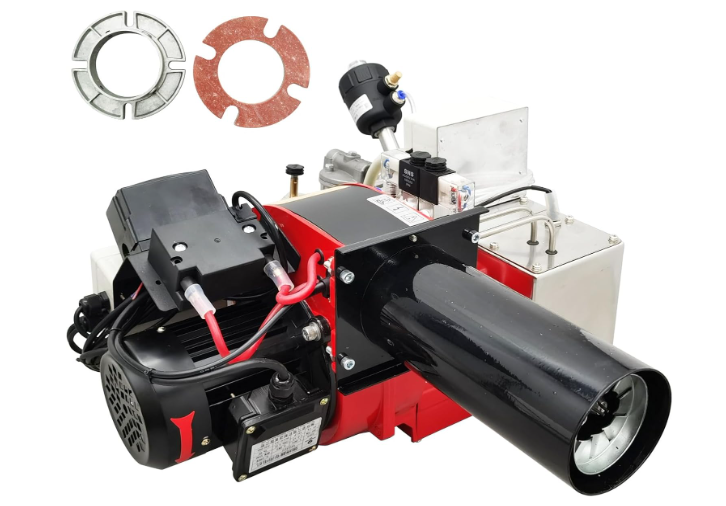
The WYDDDARY Waste Oil Heater Air Atomizing Heavy Oil Burner is a versatile and efficient solution among the Best Waste Oil Heaters for industrial and commercial thermal energy applications. Designed with two‑stage fire control and automatic ignition, this heater supports a wide fuel consumption range of 9.5–23.5 kg/h and delivers an impressive output power of 116–232 kW, making it suitable for demanding environments. Its air atomizing design promotes high combustion efficiency, helping reduce energy use while achieving consistent heat output.
Built to perform reliably, this heater operates on AC220 V single‑phase power and features robust construction that supports uniform heating across applications such as oil boilers, industrial furnaces, steam systems, hot water furnaces, and even equipment like painting or textile machinery. Users can benefit from adjustable temperature control, which enhances flexibility and helps tailor the heat to specific processes. A pure copper core motor and non‑clogging nozzle with superior filtration contribute to durability and quieter operation, while compatibility with various fuel types expands its usability.
Consumer impressions:
Customer feedback highlights reliable performance, strong combustion efficiency, and excellent adaptability for diverse industrial setups.
Notable function:
Advanced adjustable temperature control for tailored heating.
Primary benefits:
- Wide output power range
- Efficient air atomizing combustion
- Automatic ignition system
- Supports multiple fuel types
- Durable pure copper motor
Works with:
- Waste oil fuels
- Heavy oils like methanol
- Industrial boilers
- Hot water furnaces
Important notice:
Requires proper installation and ventilation according to local safety standards.
How do waste oil heaters work?
Waste oil heaters are a type of heating system that allows for the recycling of used oil that would otherwise be discarded. These heaters work by burning the waste oil, which produces heat that can be used to warm a garage, workshop, or other space.
To understand how waste oil heaters work, it’s important to first understand the components that make up the system. These components include the burner assembly, the combustion chamber, the heat exchanger, and the exhaust stack.
The burner assembly is responsible for introducing the waste oil into the combustion chamber, where it is ignited and burned. The combustion chamber is where the actual burning of the oil takes place, producing heat that is transferred to the heat exchanger.
The heat exchanger is a series of tubes or plates that transfer the heat from the combustion chamber to the surrounding air or water. The exhaust stack then removes the byproducts of combustion, such as smoke and gases, from the system.
What are their benefits?
Waste oil heaters offer several benefits that make them an attractive option for many businesses and homeowners. One of the most significant advantages is that they can help reduce heating costs. By burning waste oil, which is typically free or low-cost, waste oil heaters can provide heat at a much lower cost than traditional heating systems.
Waste oil heaters are environmentally friendly. Recycling waste oil helps to reduce the amount of oil that is disposed of in landfills, which can help to protect the environment.
Waste oil heaters can help to reduce greenhouse gas emissions, which can have a positive impact on the environment.
Waste oil heaters are also very versatile and can be used in a variety of settings, including garages, workshops, and warehouses. They are also relatively easy to install and maintain, which can help to save time and money in the long run.
Buying Guide: How to Choose the Best Waste Oil Heater
If you are looking for an efficient way to heat your garage or workshop, a waste oil heater is an excellent option. With so many options available on the market, it can be challenging to know which one to choose. This buying guide will help you make an informed decision by highlighting the critical features to consider when selecting the best waste oil heater for your needs.
Heating Capacity
It is essential to determine the size of the space you need to heat and choose a heater with an appropriate heating capacity. You should also consider the insulation of the space, the outside temperature, and any ventilation or airflow issues.
Fuel Efficiency
The fuel efficiency of a waste oil heater is another critical factor to consider. Look for a heater with a high-efficiency rating to ensure that you get the most out of your fuel. High-efficiency heaters will save you money in the long run by burning less fuel to achieve the same amount of heat output.
Ease of Maintenance
Regular maintenance is essential for keeping your waste oil heater running efficiently. Look for a heater that is easy to maintain and has accessible parts for cleaning and replacement. Some heaters come with self-cleaning options, which can save you time and effort in maintaining the unit.
Safety Features
Safety should always be a top priority when using a waste oil heater. Look for heaters with safety features such as automatic shut-off switches, overheat protection, and anti-tip mechanisms. Make sure to follow all safety guidelines and never leave the heater unattended while it is running.
Brand Reputation
When choosing a waste oil heater, it is essential to consider the reputation of the brand. Look for brands with a history of producing high-quality, reliable products with excellent customer reviews. A reputable brand will offer warranties and provide customer support if any issues arise.
How to maintain and clean a waste oil heater for optimal performance?
Regular cleaning: Clean the waste oil heater regularly, including the heat exchanger, burner assembly, and fuel filter. Use a soft-bristled brush or a vacuum to remove any debris or dust buildup.
Replace oil filters: Replace the oil filters regularly as recommended by the manufacturer. The filters can get clogged with debris and impurities, which can affect the performance of the heater.
Check the fuel quality: Make sure the waste oil used is clean and free from contaminants. Dirty oil can cause clogs in the fuel system and affect the heater’s performance.
Inspect the combustion chamber: The combustion chamber should be inspected for any buildup of soot or debris. If there is any buildup, it can be removed using a wire brush.
Check the fan and blower: The fan and blower should be inspected for any damage or wear and tear. If any damage is found, the parts should be replaced.
Schedule professional maintenance: It’s recommended to schedule professional maintenance for the waste oil heater annually. A professional can perform a more thorough cleaning and inspection of the heater, ensuring its optimal performance.
What are the common problems with waste oil heaters, and how to fix them?
1. Clogged Nozzle
One common problem with waste oil heaters is a clogged nozzle. This can occur when impurities in the oil build up and block the nozzle, leading to poor combustion and reduced heating efficiency. To address this issue, the nozzle should be cleaned regularly with a nozzle cleaner or replaced if necessary.
2. Dirty Fuel Filter
Another issue that can arise with waste oil heaters is a dirty fuel filter. When the fuel filter becomes clogged with debris, it can impede the flow of fuel and cause the heater to shut down or perform poorly. To prevent this, the fuel filter should be cleaned or replaced at regular intervals as specified by the manufacturer.
3. Ignition Problems
Waste oil heaters may also experience ignition problems, which can occur when the igniter is dirty or damaged, or when there is a problem with the fuel delivery system. To address this issue, the igniter should be inspected and cleaned, and the fuel delivery system should be checked for any obstructions or malfunctions.
4. Overheating
Overheating is another common problem with waste oil heaters. This can occur when the unit is operated for extended periods of time without proper maintenance or when the heater is placed in an area with poor ventilation. To address this issue, the heater should be inspected and cleaned regularly, and proper ventilation should be ensured.
5. Electrical Problems
Electrical problems can also occur with waste oil heaters, which can result in issues such as power failures or system malfunctions. To address this issue, the electrical components of the heater should be inspected and tested regularly, and any damaged or faulty components should be replaced as necessary.
6. Carbon Buildup
Another issue that can arise with waste oil heaters is carbon buildup, which can occur when the unit is not properly maintained or operated at too low a temperature. This can lead to reduced heating efficiency and poor combustion. To address this issue, the heater should be operated at the recommended temperature range and cleaned regularly to remove any carbon buildup.
7. Fuel Quality
Poor-quality waste oil can also cause problems with the heater, leading to poor combustion and reduced efficiency. To prevent this, it is important to use high-quality waste oil that is properly filtered and free of impurities. It is important to follow the manufacturer’s recommended maintenance and cleaning procedures to ensure optimal performance.
What safety considerations when using a waste oil heater?
Proper ventilation: Waste oil heaters should only be used in well-ventilated areas to prevent the buildup of dangerous gases like carbon monoxide.
Fire safety: Waste oil heaters can pose a fire hazard if not used properly. Keep flammable materials away from the heater and make sure to have a fire extinguisher nearby.
Electrical safety: If your waste oil heater is powered by electricity, make sure to follow proper electrical safety procedures, including using a grounded outlet and avoiding the use of extension cords.
Maintenance: Proper maintenance of your waste oil heater is crucial to ensure safe operation. Regularly inspect and clean the heater and replace any worn or damaged parts.
Professional installation: If you’re unsure about how to install your waste oil heater or don’t have experience with heating systems, it’s best to have it professionally installed to ensure it’s set up safely.
Can waste oil heaters be used in residential settings?
Yes, waste oil heaters can be used in residential settings. However, it is important to note that waste oil heaters are typically designed for commercial and industrial use, and may not be suitable for all residential applications.
It is also important to consider any local regulations or permits that may be required for using a waste oil heater in a residential setting.
It is important to properly install and maintain a waste oil heater in a residential setting, and to follow all safety guidelines and manufacturer recommendations. Proper ventilation and airflow must also be taken into consideration to prevent any potential hazards.
Some Common Questions About Waste Oil Heaters
What is a waste oil radiant heater, and how does it work?
A waste oil radiant heater is a heating unit that uses recycled oil as fuel to generate heat. It works by igniting the oil in a combustion chamber and transferring the heat through a heat exchanger to radiate warm air into the surrounding space. This type of heater is a cost-effective and environmentally friendly option for heating large spaces.
Can a portable oil burner be used as a waste oil heater?
Yes, a portable oil burner can be used as a waste oil heater. It is a versatile heating unit that can be easily moved from one location to another, making it a convenient option for heating small workshops, garages, or warehouses.
A portable oil burner can be fueled by waste oil or other types of oil, and it offers efficient heating at a low cost.
How do workshop waste oil heaters differ from other oil heaters?
Workshop waste oil heaters are designed specifically for use in workshops and garages. They are typically smaller and more portable than other waste oil heaters, making them ideal for heating smaller spaces.
Workshop waste oil heaters are also equipped with safety features such as automatic shut-off switches and temperature sensors to prevent overheating.
What is a waste oil space heater, and why is it a good option for heating large spaces?
A waste oil space heater is a heating unit that uses waste oil as fuel to generate heat. It is a cost-effective and energy-efficient option for heating large spaces such as warehouses, barns, or industrial buildings.
Waste oil space heaters are equipped with advanced features such as automatic ignition, programmable thermostats, and high-efficiency heat exchangers to provide optimal heating performance.
How can a homemade used oil heater be built, and is it safe to use?
A homemade used oil heater can be built using readily available materials such as steel barrels, pipes, and fittings. It requires some basic welding and plumbing skills to assemble, but it can be a cost-effective and eco-friendly way to heat a workshop or garage.
Safety is a top concern when building and using a homemade used oil heater, and it is important to follow safety guidelines and regulations to prevent accidents and ensure safe operation.